March 31, 2026
A roof protects a home from weather and environmental damage while supporting structural integrity. Over time, roofs age, and recognizing warning signs of wear can prevent costly repairs or replacements. Regular maintenance and inspections help homeowners decide when to repair or replace their roof, ensuring energy efficiency, safety, and long-term home value.
1. Showing Visible Wear and Tear
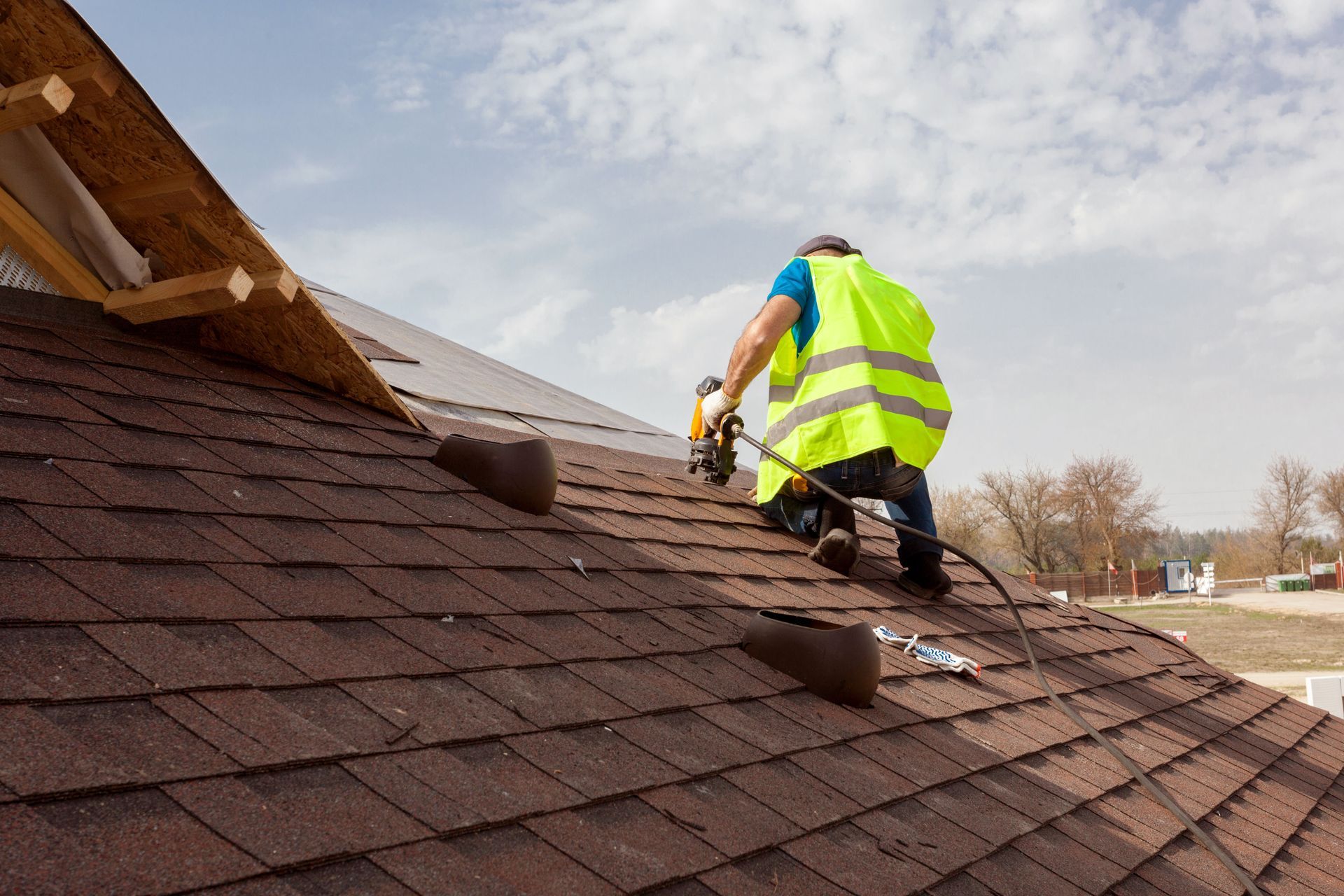
Cracked, curling, or missing shingles are among the most apparent signs that a roofing system is aging. Exposure to constant sunlight, wind, rain, and seasonal weather changes gradually weakens shingles, making them more prone to damage and leaks. Even small signs of curling or cracking should not be ignored, as these can lead to water infiltration and structural problems over time. Granule loss is another subtle but critical indicator. Shingles rely on granules to protect against ultraviolet rays, provide fire resistance, and maintain overall durability. If you notice granules accumulating in gutters or downspouts, it is a clear sign the roof is wearing down and may need repair or replacement sooner rather than later.
Moss and algae growth is more than an aesthetic concern. Moss retains moisture, which can lead to shingle deterioration and water damage underneath the roofing materials. Similarly, algae can trap moisture and promote the breakdown of shingles, particularly in shaded or humid areas. Over time, this growth can lift shingles and allow water to seep in, creating potential leaks and compromising the roof deck beneath. A sagging or uneven roof deck further signals structural weakness. Prolonged exposure to moisture, additional weight from roofing layers, or age-related deterioration can cause the roof to sag. Regular inspections and early interventions by roofing professionals help maintain the integrity and safety of the roof.
2. Showing Water Damage or Leaks
Water damage is a key indicator that a roof may be nearing the end of its lifespan. Ceiling or wall stains often signal leaks, which can worsen over time, affecting structural components, insulation, and interior finishes. Attic inspections may reveal damp insulation, discolored beams, or musty odors—signs that roofing materials are failing. Addressing these issues promptly helps prevent mold growth and costly interior repairs.
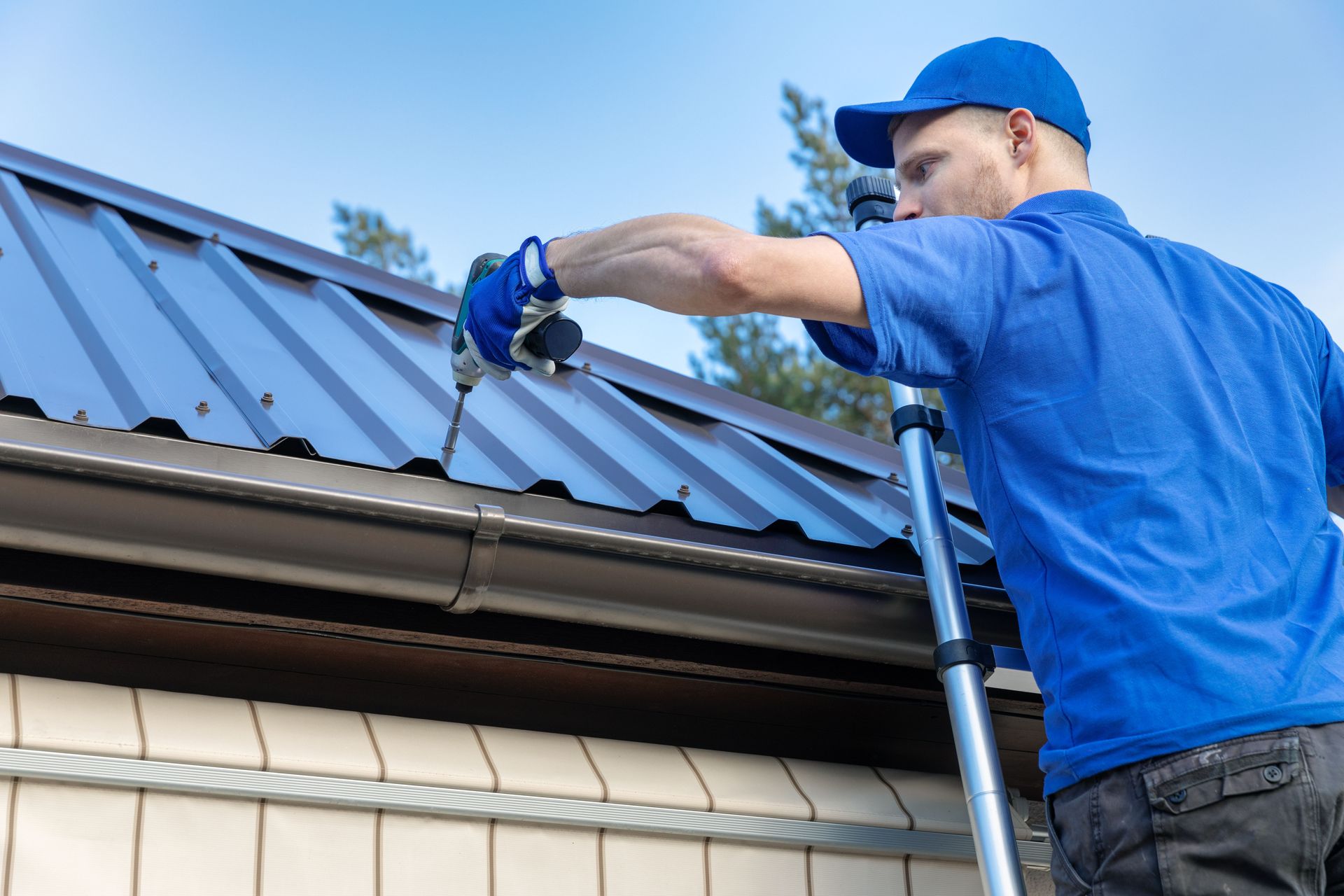
Flashing failures and drainage problems are common contributors to water intrusion. Deteriorated flashing around chimneys, vents, or skylights allows leaks, while improperly functioning gutters or poor roof pitch can direct water toward the home, damaging siding and foundations. Mold and mildew in the attic indicate persistent moisture and compromised ventilation. Professional evaluation and maintenance of flashing, drainage, and gutters are essential to protecting the roof, structural integrity, and indoor air quality.
3. Reaching the Age of Roofing Materials
The lifespan of a roofing system depends on the materials used. Asphalt shingles generally last 15–30 years, while metal or tile roofs can exceed 50 years with proper care. As roofs age, their ability to withstand environmental stress decreases, and signs of wear—like curling shingles or rust—become more apparent. Warranties provide guidance on expected performance, but climate factors such as extreme weather, heavy snowfall, or intense sun can accelerate deterioration. Recognizing material-specific signs of aging helps homeowners address issues before they escalate.
Deciding between repair and replacement requires careful consideration. According to Home Guide, repairs may be more cost-effective when less than 25% of the roof is damaged, costs remain under 30% of a new roof, and the roof is under 20 years old. Strategic repairs can extend the roof’s lifespan while avoiding the cost of full replacement. Understanding the material’s longevity, current condition, and repair options allows homeowners to plan interventions that are both financially and structurally sound.
4. Experiencing Increased Energy Bills
Rising energy bills can be a hidden sign of roofing issues. As roofing materials degrade, they may lose insulation efficiency, leading to heat loss in winter or excess heat in summer. Compromised insulation forces heating and cooling systems to work harder, resulting in increased energy consumption and higher costs. Addressing roofing problems through repair or replacement can restore insulation effectiveness and improve energy efficiency.
Ventilation issues are closely tied to energy performance and roof longevity. Poor ventilation allows heat and moisture to accumulate in attics, accelerating material degradation and increasing energy use. Ensuring proper ventilation maintains the roof’s efficiency and prolongs its life. Seasonal fluctuations in energy bills may also indicate roofing inefficiencies. Homes with aging roofs can experience inconsistent heating and cooling performance, highlighting the need for inspection and possible material replacement.
Replacing an aging roof with modern, energy-efficient materials can significantly enhance insulation, reduce energy bills, and improve indoor comfort. New roofing options often incorporate reflective coatings, improved insulation, and advanced materials designed to reduce thermal transfer. Investing in energy-efficient roofing not only lowers utility costs but also contributes to long-term sustainability and increases the overall value of the home.
5. Experiencing Structural Concerns
Structural components like roof decks, trusses, and beams play a critical role in roofing stability. Over time, these elements can deteriorate due to moisture exposure, age, or added weight from accumulated debris or multiple roofing layers. A weakened roof deck may sag, threatening both the roofing materials above and the structural integrity of the home. Timely inspection and repair or reinforcement prevent more extensive damage.
Trusses and beams are essential for distributing the roof’s weight and maintaining its shape. Compromised structural elements, whether from rot, pests, or stress, can create serious risks. Regular inspection and reinforcement help maintain the stability of the roofing system. Damaged gutters or drip edges may exacerbate water problems, further stressing structural components. Routine maintenance ensures proper water diversion and protects the roof’s foundation. Termites or other pests can also weaken wood elements of the roof, making pest control and resistant materials an important consideration in long-term roofing care.
6. Observing Professional Inspection Findings
Professional inspections provide critical insights that may not be visible during routine homeowner checks. Roofing experts can identify subtle signs of wear, structural weaknesses, and material degradation. Expert reports often recommend repair or replacement based on observed conditions and help homeowners prioritize interventions. Documentation from inspections is valuable for insurance claims and maintenance records, ensuring coverage and supporting future repairs.
Seeking a second opinion can confirm initial recommendations and uncover any overlooked issues. Multiple professional assessments provide a well-rounded understanding of the roof’s condition, enabling homeowners to make informed and confident decisions. Following expert advice ensures that roofing repairs or replacements are carried out effectively, protecting both home safety and investment value.
7. Experiencing Increasing Signs of Deterioration
Accelerated wear, recurrent leaks, and damaged roof accessories such as vents, skylights, or chimneys are strong indicators that a roofing system is nearing the end of its lifespan. Storms can reveal vulnerabilities in aging roofs, highlighting weak points that require immediate attention. Monitoring overall roof performance, including protection, insulation, and drainage efficiency, helps homeowners assess remaining lifespan and plan necessary interventions.
Regular observation and timely professional evaluations allow for proactive maintenance and repairs. Addressing small issues before they escalate into major problems saves costs and prevents emergency situations. A comprehensive approach to monitoring and maintaining roofing ensures long-term durability and peace of mind. By responding to signs of deterioration early, homeowners maintain a safe, efficient, and visually appealing home.
Recognizing the signs of a roofing system nearing the end of its lifespan empowers homeowners to take proactive action. From visible wear and water damage to structural and energy efficiency concerns, these indicators highlight the importance of regular inspection and timely intervention. Acting early protects home value, ensures safety, and enhances comfort. For professional guidance and comprehensive roofing solutions, consult Buckeye Home Services to maintain a secure, long-lasting roof and safeguard your home investment.