October 20, 2026
A home's exterior does more than establish its appearance. Siding helps protect the structure from moisture, wind, sunlight, and other environmental conditions while contributing to insulation performance and overall curb appeal. Over time, exposure to the elements can cause materials to deteriorate, finishes to fade, and vulnerable areas to develop damage. Updating the exterior can address these concerns while giving the property a refreshed appearance.
Planning a siding renovation requires careful consideration of materials, installation methods, maintenance requirements, and long-term goals. Experienced local siding contractors can help homeowners evaluate their existing exterior, identify potential problems, and choose improvements that complement their properties. Understanding the renovation process makes it easier to prioritize essential repairs, compare available options, and invest in an exterior designed to provide lasting value.
Evaluate the Condition of Existing Siding
Before selecting replacement materials, homeowners should assess the condition of their existing siding. Cracked panels, peeling paint, warped boards, loose sections, and persistent discoloration can indicate that the exterior needs attention. Although some issues are primarily cosmetic, others may signal moisture intrusion or deterioration beneath the visible surface. Recognizing these warning signs helps homeowners determine which improvements deserve priority.
According to the U.S. Census Bureau, the median age of homes across the country reached 41 years in 2024, demonstrating that much of the nation's housing stock has aged and may require renovation. For owners of older properties, evaluating siding is a practical way to identify maintenance needs and determine whether repairs or replacement would be appropriate.
A thorough assessment should extend beyond the siding itself. Window trim, door frames, corners, and areas where different materials meet can develop gaps or other weaknesses that allow moisture to enter. Homeowners should also consider whether previous repairs have addressed the underlying causes of visible damage. Correcting existing problems before installing new materials helps create a more dependable foundation for the renovation.
Select Materials for Durability and Performance
Siding materials vary in appearance, durability, maintenance requirements, and resistance to environmental conditions. Vinyl, fiber cement, engineered wood, and natural wood each offer distinct characteristics that influence their suitability for different homes. The right choice depends on the property's design, local climate, budget, and the amount of maintenance the homeowner is prepared to perform.
Vinyl siding appeals to many homeowners because it comes in a variety of colors and styles and generally requires relatively little routine maintenance. Fiber cement offers a substantial appearance and can provide resistance to several common exterior challenges when installed and maintained correctly.
When comparing materials, consider how the exterior responds to sunlight, rainfall, humidity, and seasonal temperature changes. Local siding contractors can explain the differences between available products and help homeowners understand their maintenance needs.
Appearance deserves attention alongside practical performance. A material should complement the roof, windows, architectural details, and surrounding landscape rather than looking disconnected from the rest of the property. Reviewing physical samples and coordinating colors before making a final selection can help homeowners feel confident about the finished design.
Strengthen Weather Resistance and Moisture Protection
Siding is an important component of a home's exterior defense, helping shield the walls from rain, wind, sunlight, and other environmental stresses. However, siding does not function independently. Its effectiveness depends on the condition of the underlying wall assembly and the proper installation of supporting components that help manage moisture and protect vulnerable areas.
Water management is especially important during exterior renovations. Flashing around windows and doors, suitable weather-resistant barriers, properly detailed joints, and appropriate drainage paths help direct water away from the structure. If these components are damaged, missing, or incorrectly installed, moisture can enter wall cavities and contribute to deterioration that remains hidden until more significant damage develops.
Homeowners should also consider how wind and temperature changes affect their property's exterior. Loose panels, gaps, deteriorated sealants, and poorly secured materials can reduce performance and create opportunities for water intrusion.
Before work begins, discuss any existing leaks, soft wall sections, or recurring moisture concerns with the installation team. These conditions may require further investigation before replacement siding is installed. Taking the time to address underlying problems helps ensure that an exterior upgrade improves protection rather than concealing damage that could continue to develop.
Improve Curb Appeal With Coordinated Design
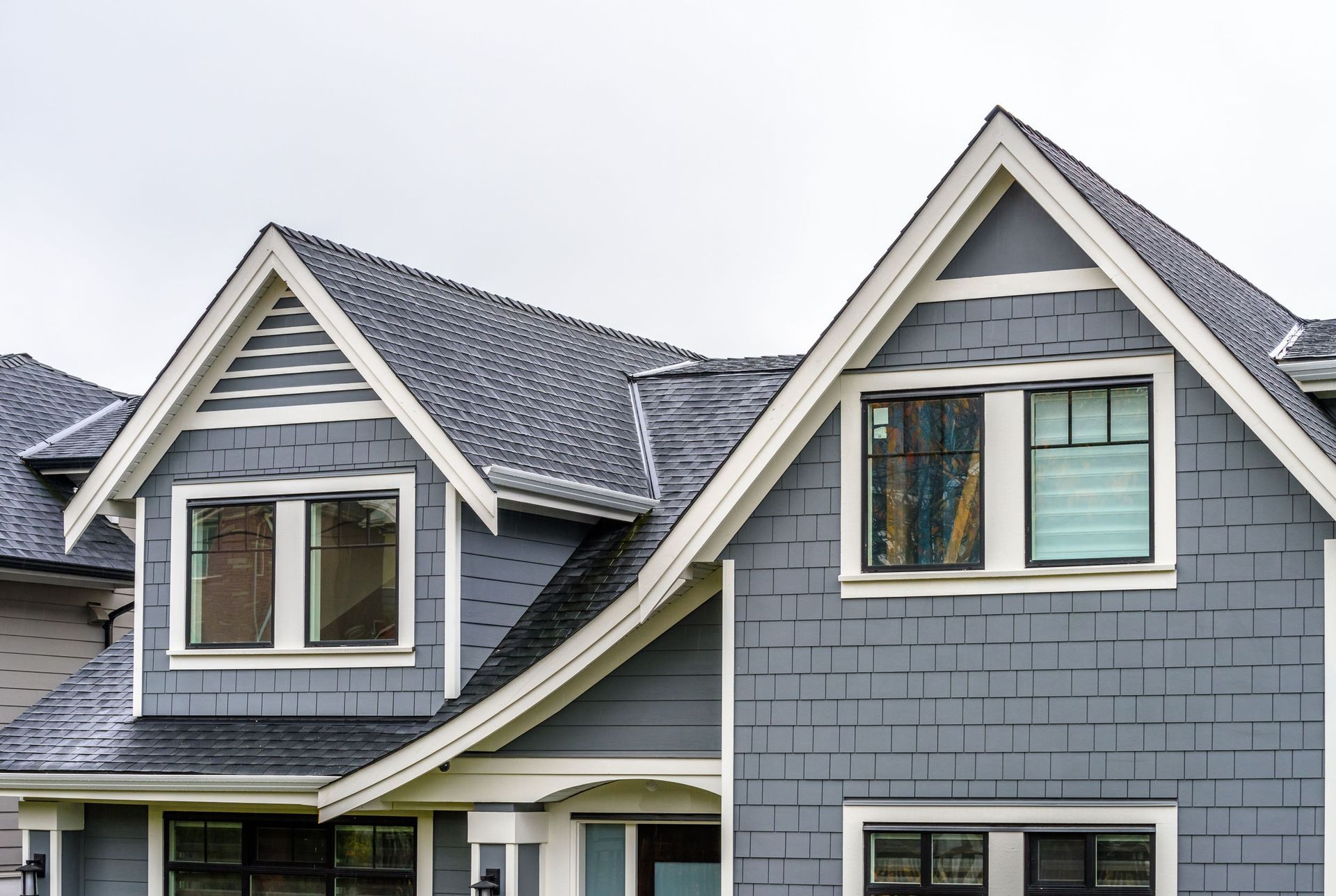
Siding has a significant influence on a property's visual identity. Its color, texture, profile, and placement can make a home appear traditional, contemporary, rustic, or distinctly personalized.
Color selection is an important part of the design process. Neutral shades can create a timeless appearance, while deeper colors may establish contrast and emphasize architectural details. Homeowners can also coordinate siding with roof colors, window frames, entry doors, shutters, and exterior lighting to create a cohesive appearance throughout the property.
Different siding profiles can further influence the finished design. Horizontal panels offer a familiar appearance, while vertical siding can introduce visual height and a different architectural character. Decorative accents may provide contrast around entryways, gables, or other prominent features without requiring the entire exterior to use a different material.
Homeowners working with local siding contractors should discuss design preferences before ordering materials. Viewing samples in natural light and considering how colors change throughout the day can prevent disappointing results.
Prepare for a Successful Installation
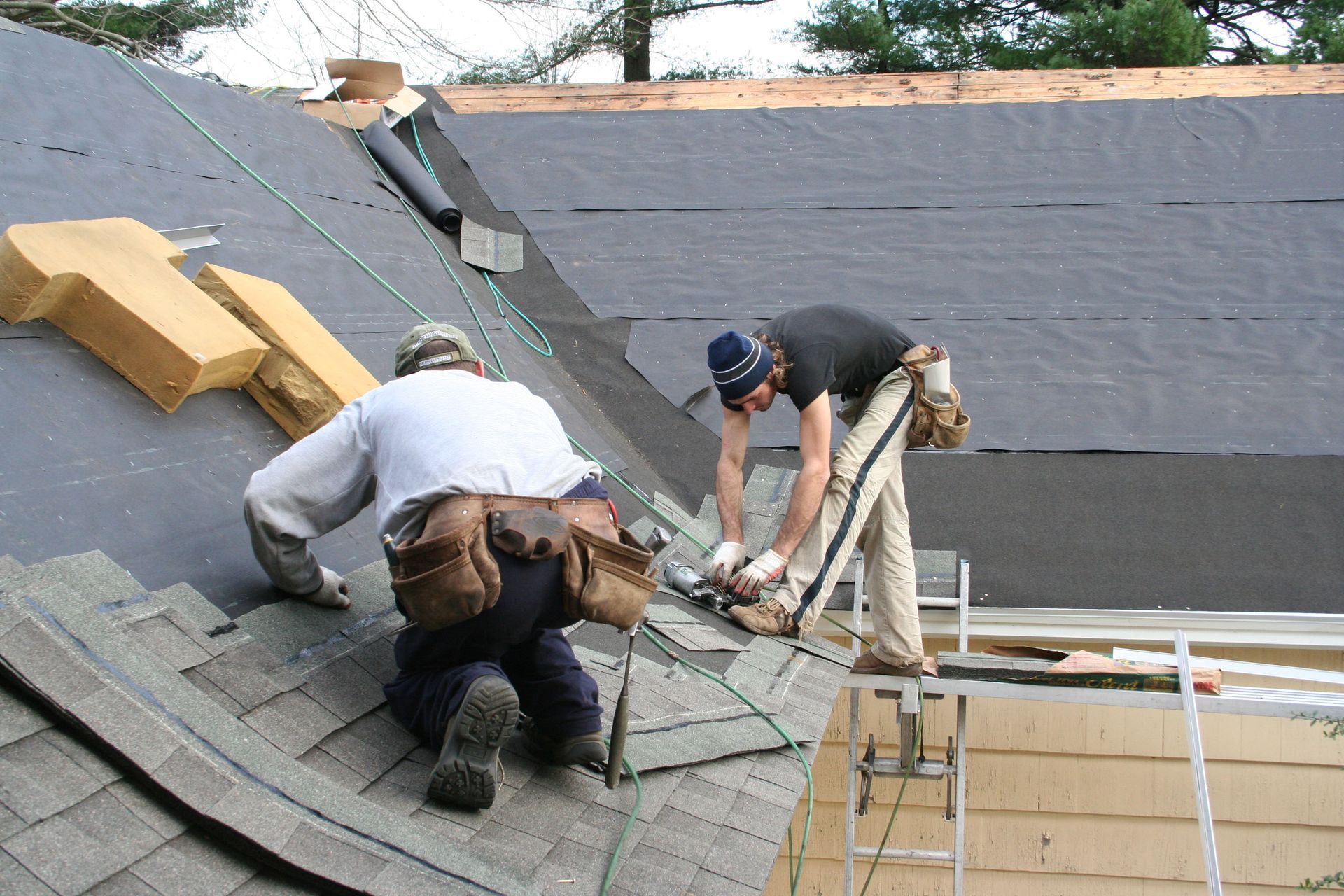
A well-organized installation begins with a clear understanding of the project's scope. Homeowners should discuss material selections, preparation requirements, anticipated scheduling, cleanup procedures, and how unexpected damage will be handled. Establishing these expectations early helps everyone understand the work involved and reduces confusion once the renovation begins.
Preparing the property can also help the installation proceed efficiently. Outdoor furniture, decorations, and movable items near the exterior may need to be relocated. Landscaping and nearby surfaces should be protected when appropriate, and the installation team should have safe access to the work areas.
Before hiring local siding contractors, request a written estimate that explains the proposed work, materials, labor, and potential additional expenses. Confirm applicable licensing and insurance requirements, review relevant experience, and ask about warranties covering workmanship and products.
Communication should continue throughout the renovation. Homeowners benefit from knowing whom to contact with questions, how changes will be approved, and when progress updates will be provided. A final walkthrough should allow both parties to review the completed work, identify any outstanding concerns, and discuss maintenance recommendations.
Maintain Siding for Long-Term Value
Routine maintenance helps preserve the appearance and performance of newly installed siding. Although the appropriate care depends on the material, regular inspections can reveal developing concerns before they require extensive repairs. Following manufacturer recommendations is essential because different products have specific cleaning methods and maintenance requirements.
Homeowners should periodically inspect the exterior for loose panels, damaged trim, deteriorating sealant, and discoloration that does not improve with appropriate cleaning. Gutters and downspouts should remain clear so rainwater can drain away from exterior walls.
Cleaning should be performed with methods appropriate for the selected material. Some siding products tolerate gentle washing, while others may be damaged by harsh chemicals or excessive water pressure. Following the manufacturer's instructions helps protect the finish and prevents cleaning from creating additional problems.
Professional assistance can be useful when damage appears after severe weather or when recurring moisture problems develop. Promptly addressing loose materials, failed seals, and other warning signs can help protect the underlying structure and extend the useful life of the exterior.
A durable exterior begins with informed decisions, quality materials, and careful installation. Whether your priority is improving weather protection, updating an outdated appearance, or reducing ongoing maintenance, the right renovation can help your home remain attractive and well protected. Contact Buckeye Home Services today to discuss your siding goals, explore suitable upgrade options, and take the next step toward a stronger, more appealing home exterior.