November 13, 2026
Selecting the appropriate roofing material directly determines how well a structure withstands severe natural events like heavy snowfall, hailstorms, and high winds. Choosing an inadequate material often leads to costly structural damage, compromised safety, and premature building failure. Understanding how various roofing materials perform under environmental stress enables property owners to make long-term investment decisions.
Asphalt Shingles
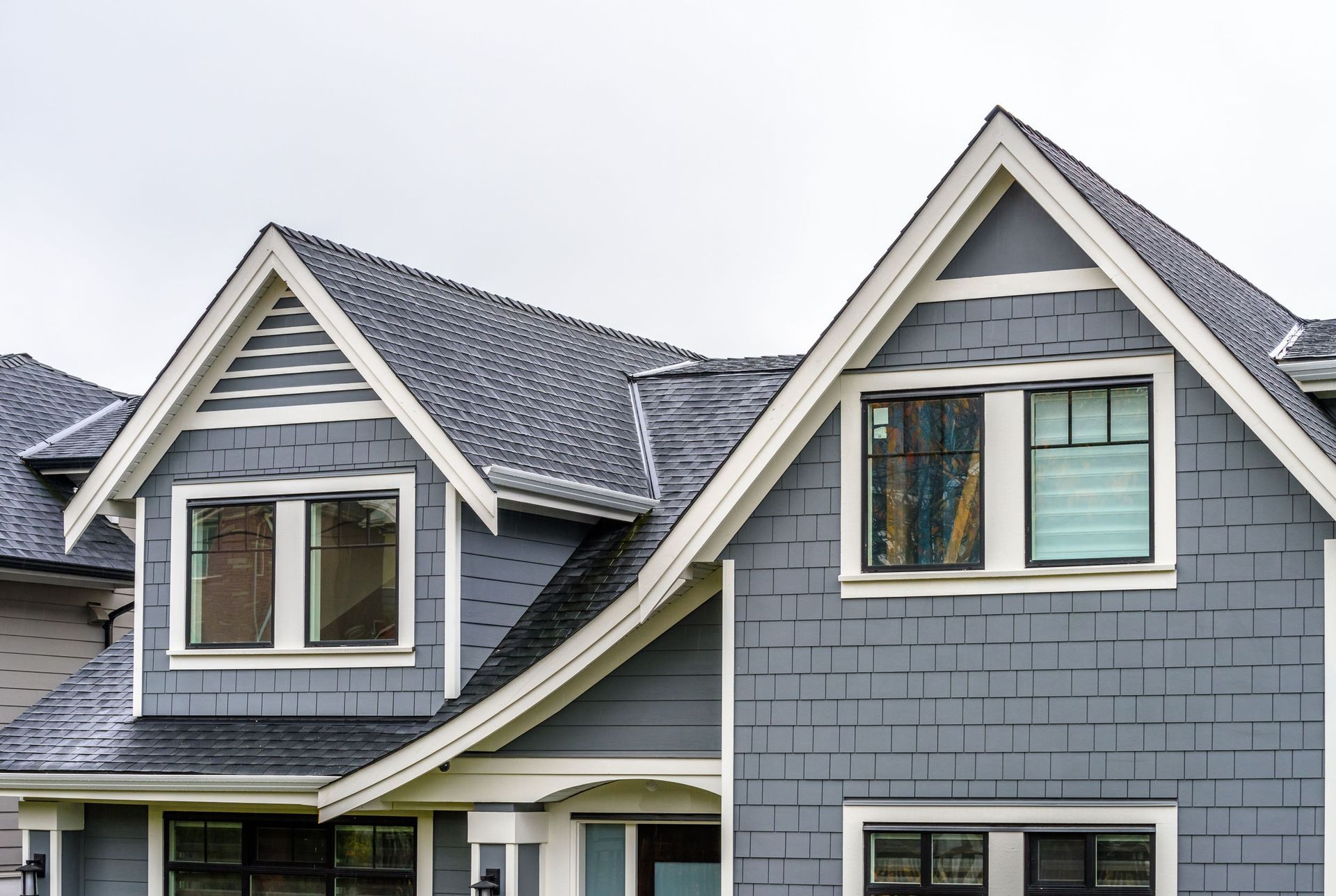
Asphalt shingles are widely used across North America due to low initial costs and straightforward installation procedures. High-quality asphalt shingles can endure wind speeds up to 110 miles per hour, though severe storms may unseal panels over time. Selecting asphalt shingles specifically engineered for high-wind resistance guarantees reliable structural defense during inclement weather.
When evaluating hail resistance, standard asphalt shingles yield mixed results because large hailstones can puncture or crack the surface. Impact-resistant asphalt shingles feature rubberized granules and an enhanced base layer to absorb impacts in hail-prone regions. Investing in impact-rated roofing products significantly reduces post-storm repair needs and surface damage.
In heavy rainfall, asphalt shingles effectively channel water off the roof deck due to their overlapping layout. Prolonged moisture exposure can still degrade underlying materials if the installation lacks proper underlayment or adequate attic ventilation. Regular maintenance checks ensure that water-shedding performance remains consistent over decades of exposure.
Extreme temperature fluctuations alter the long-term lifespan of asphalt roofing installations. High thermal exposure dries out shingle materials and causes brittleness, whereas freeze-thaw cycles create surface cracking. Choosing thermally resistant products helps stabilize the roof against severe climate changes.
Asphalt shingles remain a practical option for cost-conscious buyers seeking balanced performance. While their lifespan is shorter than premium alternatives, their modest price point fits standard environmental conditions. In harsher climates, investing in heavier-duty roofing materials proves more economical over the long term.
Metal Systems
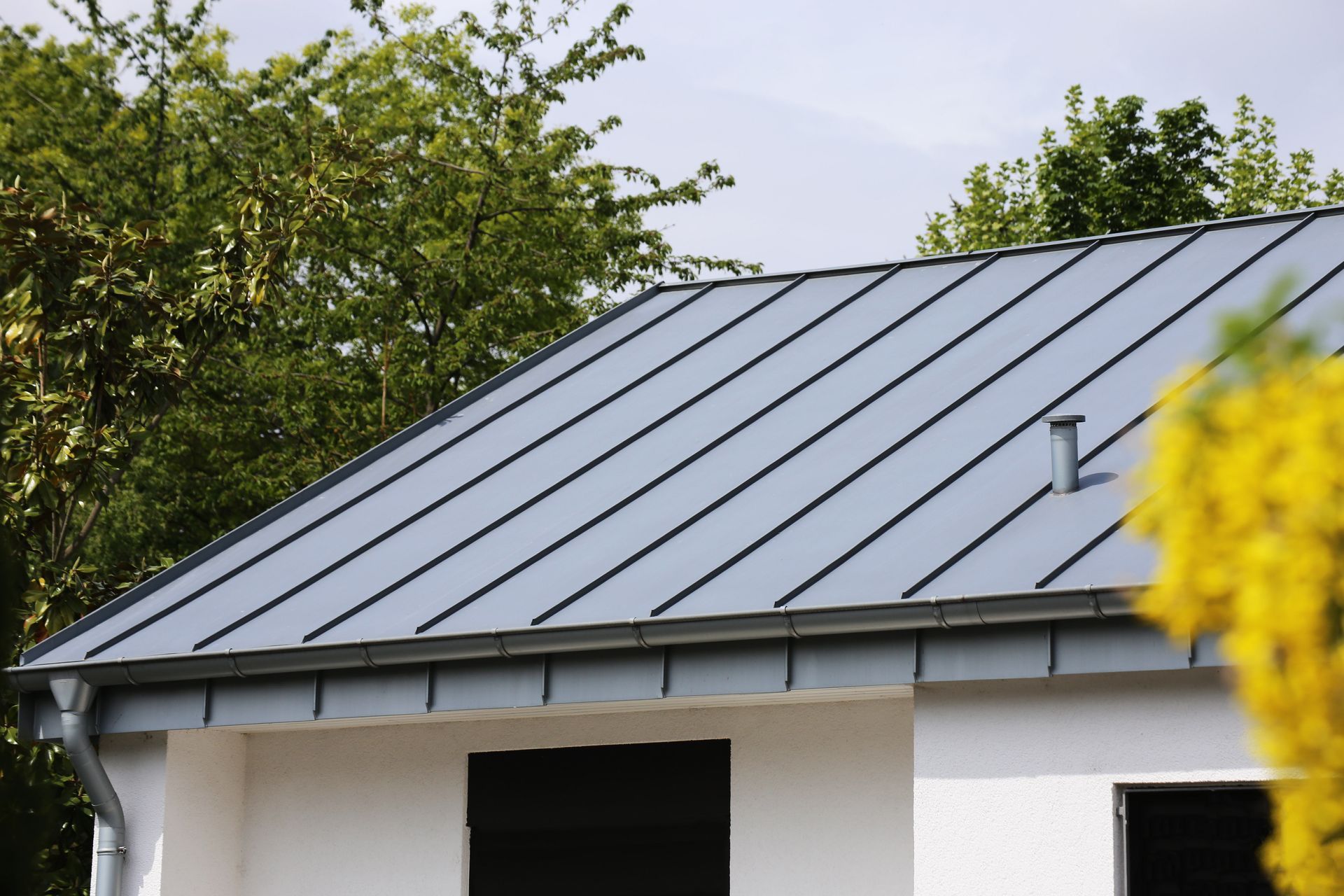
Metal roofing systems are renowned for exceptional strength, making them ideal for areas exposed to tropical storms and high winds. Interlocking metal panels resist wind uplift forces exceeding 140 miles per hour while forming a watertight seal. This inherent rigidity provides unparalleled structural security during severe weather events.
In regions with heavy winter snowfall, metal roofing sheds ice and snow quickly to reduce structural load. The smooth surface prevents ice dam formation, which protects the sub-framing from moisture penetration. Installing snow guards helps control sliding snow to protect surrounding walkways and entryways.
Metal panels offer superior impact resistance against hail, absorbing heavy strikes without cracking. Thicker gauge panels with protective coatings also resist surface denting and environmental corrosion over time. This level of durability keeps overall roof maintenance demands to a minimum throughout its lifespan.
Thermal expansion and contraction are managed through specialized mounting clips and floating expansion joints. Modern installation methods accommodate metal movement during temperature swings without loosening structural fasteners. Qualified contractors ensure that thermal expansion does not compromise the overall envelope.
Cool-roof reflective coatings on metal roofing bounce solar radiation away, lowering summer cooling expenses for the building. During winter, proper insulation beneath the metal panels traps interior heat for year-round energy savings. These properties make metal a highly energy-efficient choice across diverse environments.
Clay and Concrete Tiles
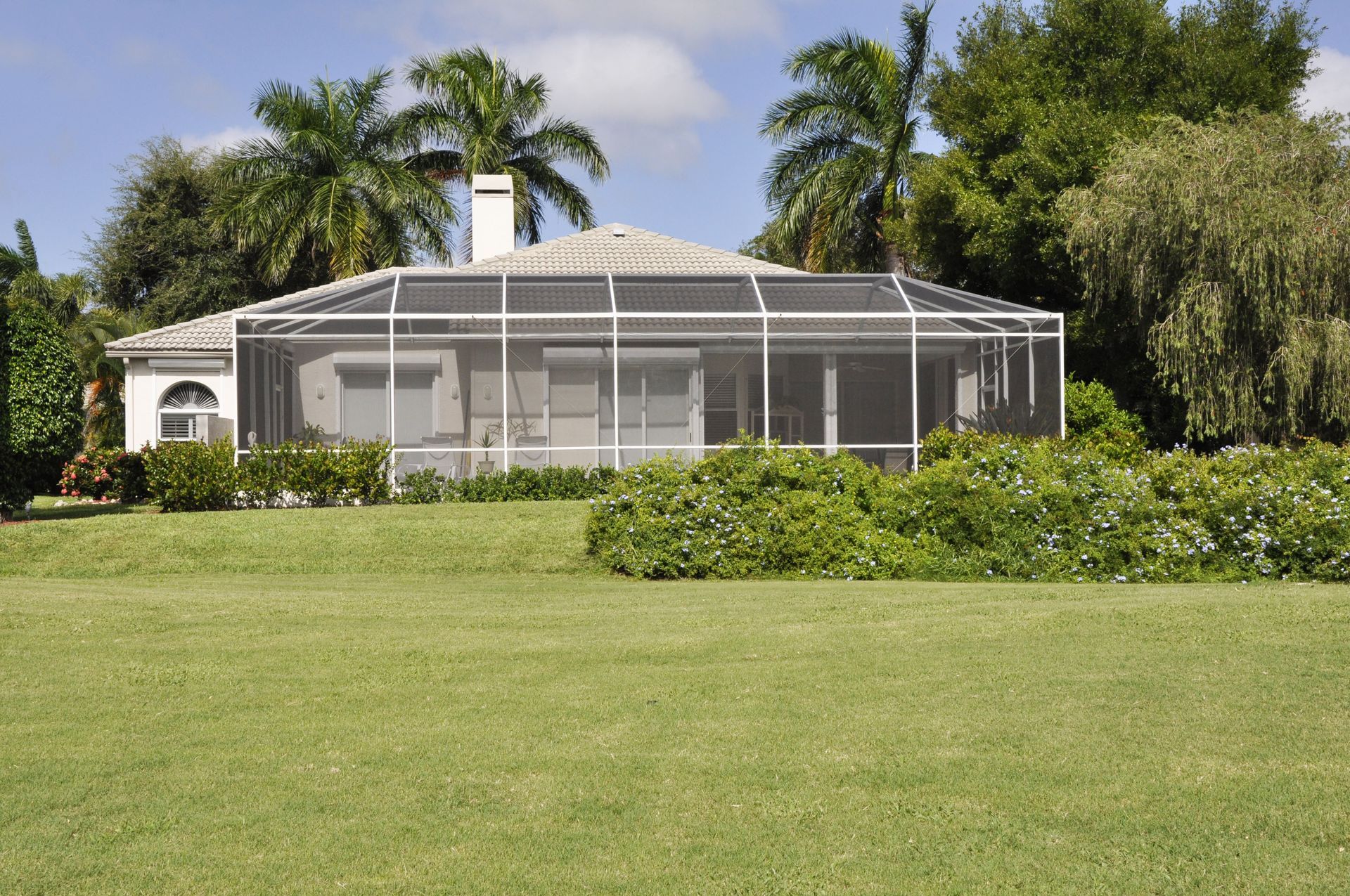
Clay and concrete tiles provide substantial mass, anchoring them securely against high-wind conditions. Rated to withstand wind speeds up to 125 miles per hour, tile roofing provides robust protection in storm-prone coastal areas. Heavy-duty underlayment and specialized mechanical fasteners ensure individual tiles stay locked in place.
The non-porous surface of concrete and clay tiles creates an effective barrier against heavy rainfall. Interlocking designs quickly route rainwater into drainage gutters, preventing water intrusion and resisting rot. Periodic inspections ensure that drainage channels remain free of organic debris and buildup.
Tile materials endure repeated freeze-thaw cycles without cracking or losing strength over time. The inherent thermal mass buffers interior space from external temperature swings during cold snaps. Homeowners benefit from reliable insulation and extreme weather resistance across all seasons.
Non-combustible clay and concrete tiles serve as a natural fire barrier during wildfires or external heat exposures. This outstanding fire resistance enhances structural protection and often leads to reduced property insurance premiums. Combining safety with longevity makes tile systems a reliable long-term investment.
Due to the heavy weight of tile roofing, structural framing must be evaluated to ensure adequate support before installation. Skilled professionals handle the precise alignment and reinforcement necessary for these heavy materials. Despite higher installation requirements, the century-long durability justifies the effort.
Slate Surfaces
Slate roofing offers incredible longevity in wet climates where organic materials deteriorate quickly over time. Natural slate repels water almost completely, preventing rot, mold growth, and deep moisture absorption. A professionally installed slate roof can protect a home effectively for over a century.
Slate retains structural stability without cracking or splitting during severe winter freeze-thaw cycles. The dense stone layer acts as a natural insulator, maintaining steady indoor temperatures through harsh weather. It remains one of the most durable traditional roofing options available today.
Dense slate panels tolerate high temperatures and direct solar exposure without warping or degrading. The non-combustible composition provides unmatched protection against intense heat and airborne fire hazards. Property owners gain timeless aesthetics paired with maximum resistance to environmental decay.
Immense load-bearing capacity allows slate roofing to support heavy snow accumulation without structural strain. Snow slides off the dense, slick stone surface, preventing excessive weight buildup on the roof deck. Verifying structural capacity prior to slate installation ensures safety during major winter storms.
Beyond resilience, slate adds historical value and distinct visual appeal to any architectural style. Natural variations in color and texture enhance curb appeal while elevating overall property value. The combination of permanence and elegance makes slate a top-tier choice for long-term protection.
Wood Shingles and Shakes
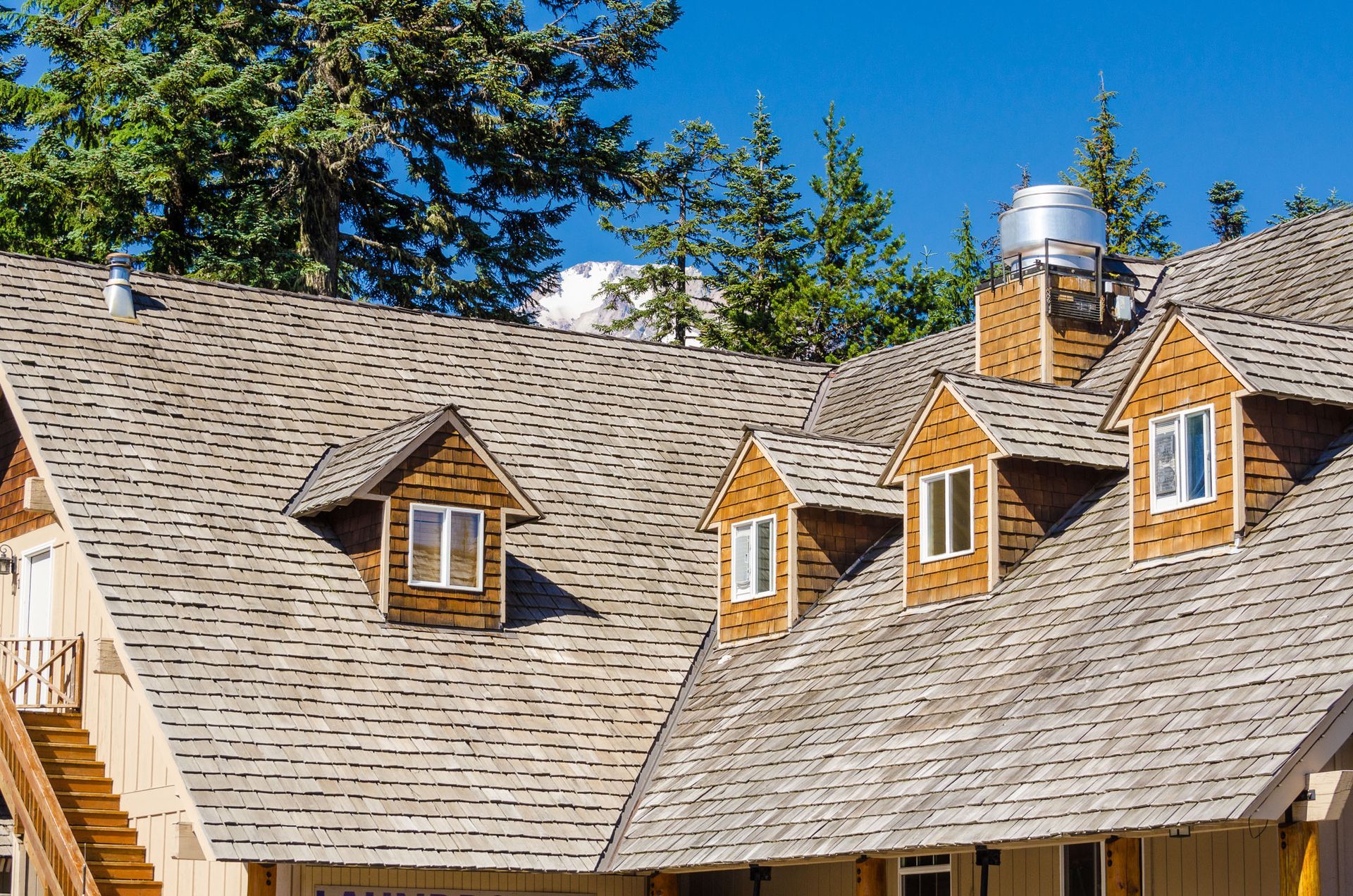
Wood shingles and shakes deliver a classic aesthetic, but they require consistent maintenance in wet environments. Continuous rain exposure causes untreated wood to warp, split, and decay over time. Regular application of protective sealants helps preserve the wood against moisture damage.
Properly installed wood roofing can withstand wind speeds up to 90 miles per hour. Thick shakes and heavy-duty fasteners offer greater wind resistance compared to lower-grade wood products. Inspecting the roof after major storms guarantees that individual shakes remain tightly secured.
Sunlight and high temperatures cause natural wood roofing to dry out, fade, and split over time. Treating the wood with UV-inhibiting stains preserves both its structural integrity and natural appearance. Adequate attic ventilation prevents heat accumulation from drying the shakes from underneath.
Damp wood roofing in shaded areas encourages the growth of moss, algae, and mildew. Left untreated, moss retains moisture against the wood surface and speeds up structural decay. Routine cleaning and clearing overhanging tree limbs keeps biological growth under control.
Maintaining a wood shake system requires ongoing inspections, cleaning, and chemical preservative treatments. Catching minor wear early prevents widespread rot and costly structural repairs later on. For those who value traditional architectural appeal, natural wood provides warmth and character.
Synthetic Materials
Synthetic roofing products replicate slate or wood shakes while offering modern composite durability. Engineered from advanced polymers, synthetics resist cracking, warping, and UV degradation across extreme weather conditions. They deliver consistent protection without the intensive maintenance required by traditional natural materials.
Synthetic roofing options often utilize recycled materials, aligning with modern sustainable building practices. Their lightweight composition reduces transport emissions, and their extended lifespan minimizes landfill waste over time. Choosing synthetic products combines environmental responsibility with high-performance weather protection.
Technological advances in polymer formulations have significantly improved the impact resistance and flexibility of synthetic products. According to Bob Vila, a home improvement resource, many awning models tolerate winds up to 25 miles per hour. Synthetic roofing materials take this resilience even further, enduring extreme storm conditions with ease.
Synthetic roofs excel in tropical storm zones due to lightweight strength and tight interlocking connections. They resist wind uplift while preventing water absorption during extended heavy downpours. The resilient synthetic surface also protects the structure against windblown storm debris.
Although synthetic materials require a higher initial investment than basic asphalt, low maintenance costs make them economical over time. Extended warranties offer peace of mind regarding long-term performance and material reliability. Their combination of durability and safety makes synthetics a smart choice for any property. Protecting your home against severe weather begins with choosing high-performance roofing materials and expert installation. For reliable property protection, quality craftsmanship, and expert guidance on your next project, trust the experienced team at Buckeye Home Services.