October 19, 2026
Starting a major exterior renovation requires careful planning, thorough research, and a clear understanding of the work involved. Upgrading the protective layer of your home safeguards your entire property against severe weather, enhances energy efficiency, and improves overall resale value. Homeowners who take time to prepare before active construction begins often experience a much smoother process and achieve superior long-term results for their property.
Taking on a primary structural improvement can feel overwhelming without a structured plan to guide your decision-making from start to finish. By understanding roofing material choices, financial commitments, contractor selection criteria, and regulatory compliance, you can navigate every phase of your project with complete confidence. This comprehensive guide outlines everything you must evaluate before active construction commences on your home.
Assess Your Current Home Needs
Evaluating the current condition of your home is the initial step in planning any major renovation. Inspecting the surface from ground level can reveal visible warning signs such as damaged shingles, sagging sections, or worn protective layers. Addressing minor leaks early prevents moisture from penetrating the interior structure, where water damage can compromise timber framing, insulation, and drywall over time.
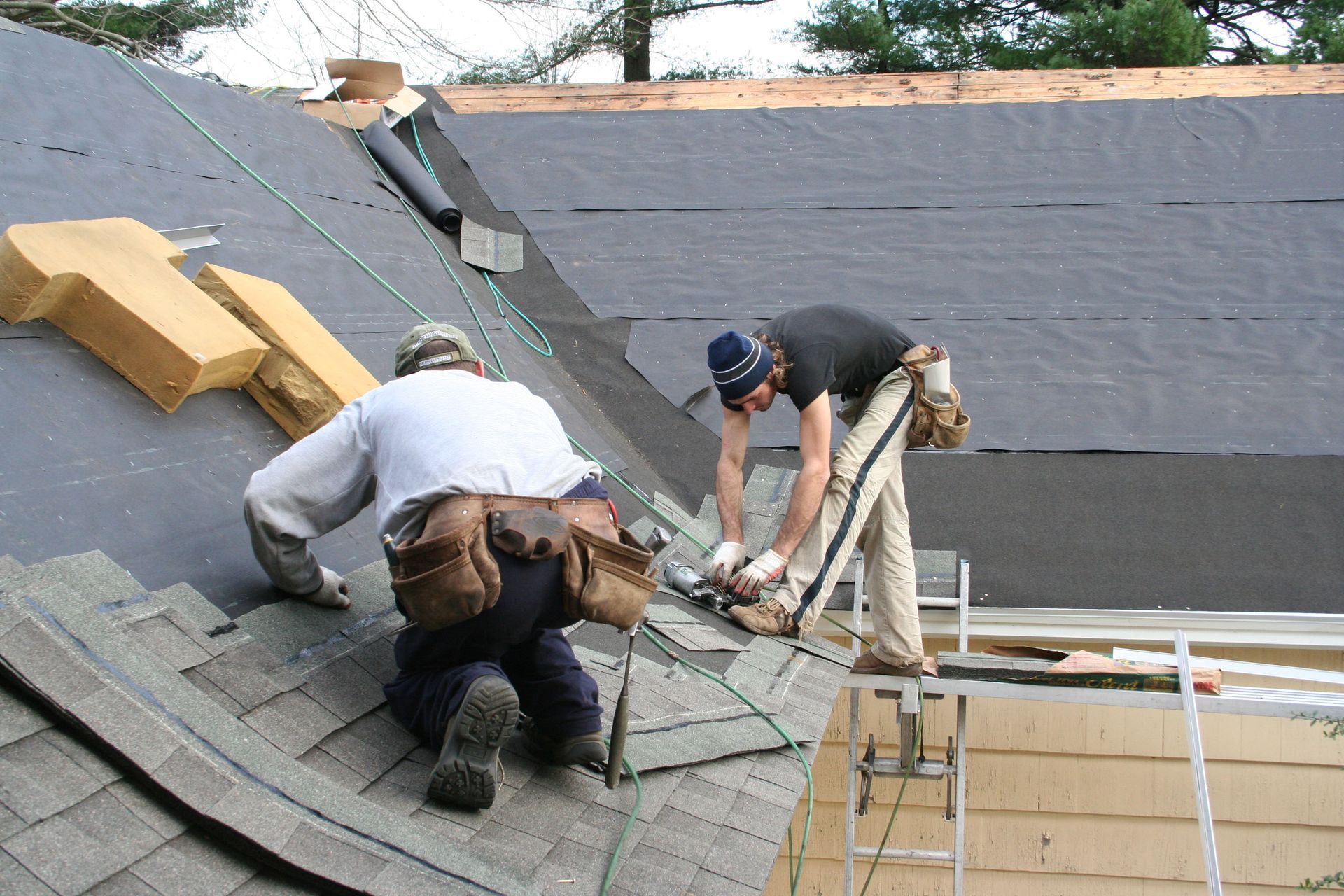
Determining whether simple repairs or a total replacement is required depends on overall structural wear and historical damage. When severe weather damage or persistent wear affects major portions of the surface, a full overhaul becomes the most practical path forward. Consulting an experienced professional helps identify underlying issues that might escape untrained eyes during a casual visual inspection.
Structural age plays a major role in deciding on the proper scope for your upcoming roofing project. Asphalt materials generally last a few decades, whereas premium metal or tile products endure much longer depending on installation quality and ongoing care. Identifying the exact age of your current installation provides essential clarity on whether spot repairs will suffice or if a complete replacement is necessary.
Select Your Ideal Building Materials
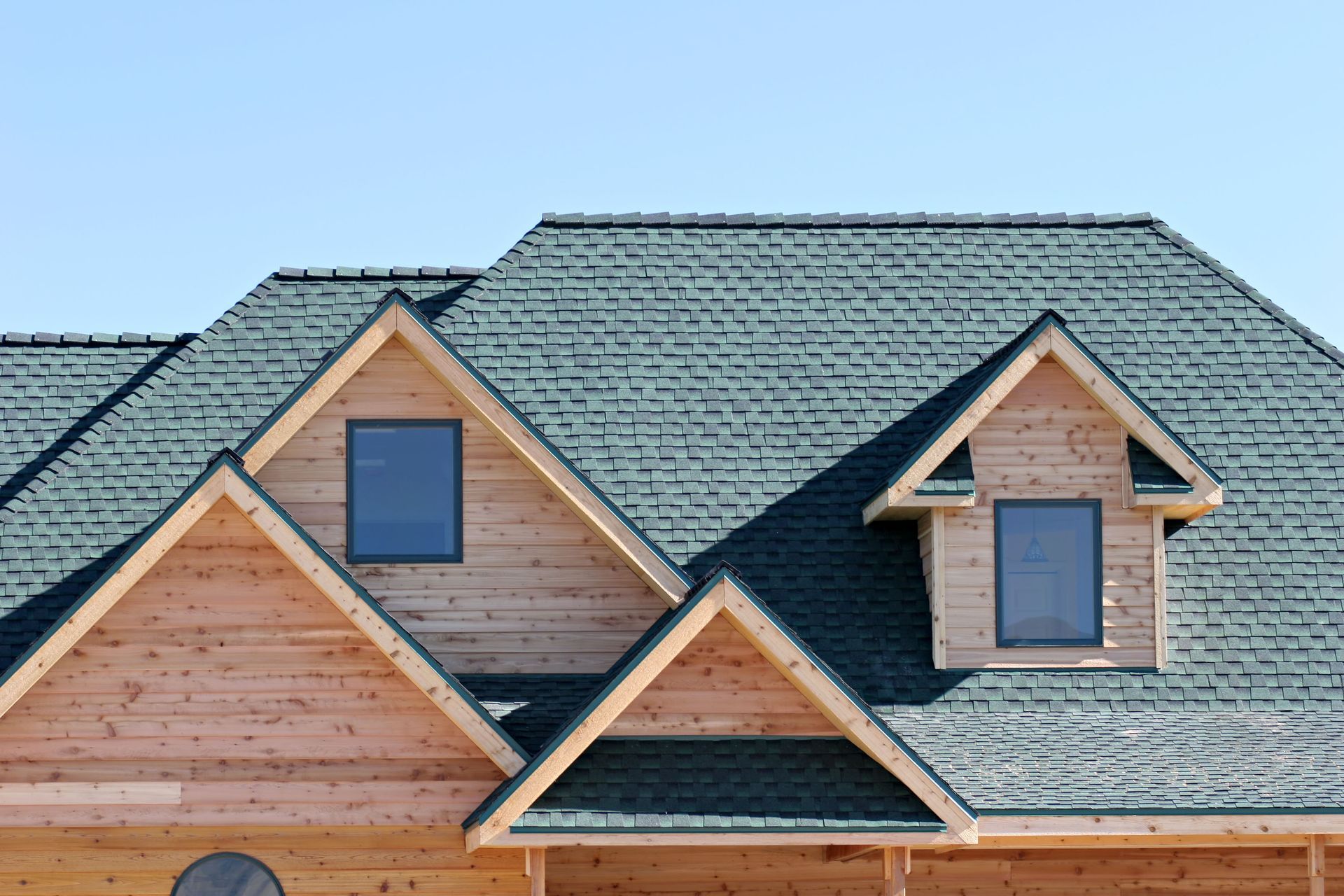
Selecting appropriate materials determines both the visual appeal and long-term durability of your home exterior. Popular choices range from conventional asphalt shingles and modern standing-seam metal to classic clay tiles and natural slate. Each material option offers distinct advantages regarding weather resistance, ongoing maintenance requirements, energy performance, and overall architectural design.
Matching your material selection to local climate conditions ensures optimal performance across every season of the year. Areas prone to heavy snow or intense rainfall require exceptional waterproofing qualities, while sun-drenched regions benefit from heat-reflective surfaces that help lower cooling expenses. Environmental factors like strong wind gusts or nearby woodland wildlife should also inform your final material choices.
Calculating required material quantities accurately is a crucial step during early roofing material planning for any property improvement. According to This Old House, contractors measure roofs in squares, which determines how many shingles your home needs per 100 square feet. Understanding this standard measurement formula enables homeowners to review contractor material estimates accurately and avoid unexpected material purchasing expenses.
Plan Your Overall Project Budget
Establishing a realistic budget forms the backbone of successful renovation management from initial planning to project completion. Overall project costs depend on selected material quality, structural complexity, labor demands, and potential underlying surface repairs that become visible once old materials are removed. Requesting detailed itemized estimates from multiple licensed professionals offers a clear, realistic view of your anticipated total expenditure.
Exploring flexible financing methods allows homeowners to manage major structural investments comfortably without straining household finances. Common funding sources include personal savings accounts, home equity lines of credit, or specialized home improvement loans. Comparing interest rates, loan terms, and repayment schedules ensures you choose a financing method that aligns perfectly with your long-term financial goals.
Allocating a contingency fund within your budget is vital for managing unexpected construction challenges smoothly. Hidden structural rot, damaged decking, or unexpected repairs beneath old material can quickly increase initial estimates once work begins. Setting aside reserve funds protects your timeline and prevents unnecessary financial stress during active construction on your home.
Research Qualified Local Trade Professionals
Selecting a qualified contractor requires diligent research and thorough background verification before making any binding commitments. Begin by collecting personal recommendations from trusted neighbors, friends, or family members who recently completed similar structural roofing work on their properties. Online directories and customer review platforms offer further valuable insight into a contractor's local business reputation and past performance.
Verifying trade credentials and active insurance policies is essential before signing any formal agreements with a contractor. Ensuring your contractor carries proper general liability coverage and full workers' compensation protects you from personal financial responsibility in case of job site accidents. Requesting references from recent clients provides direct feedback regarding work quality, reliability, and overall professional conduct.
Analyzing competitive proposals requires looking beyond the bottom-line figure provided by each bidding contractor. A detailed proposal should itemize labor costs, material choices, debris disposal fees, and specified project completion timelines clearly. Choosing a contractor based purely on the lowest price can lead to unexpected hidden costs, inferior materials, or compromised workmanship down the line.
Review All Legal and Building Regulations
Navigating legal obligations ensures your upcoming roofing job proceeds smoothly without regulatory disruptions or local municipal fines. Municipal building codes dictate specific construction standards, fire resistance ratings, and structural load requirements that must be followed strictly. Failing to comply with local regulations can lead to costly corrective construction work, legal complications, or mandatory structural alterations.
Securing proper building permits is typically handled by your chosen installation professional prior to starting physical construction. Valid permits confirm that proposed plans meet safety guidelines and local construction mandates set by the city building department. Scheduled municipal inspections during and after installation verify that all executed work adheres strictly to official local building codes.
Checking local zoning rules and community guidelines prevents unexpected architectural conflicts with surrounding properties in your area. Neighborhood homeowners associations often maintain strict regulations regarding exterior color schemes, structural profiles, and allowable material types. Obtaining prior written approval from your local board safeguards your investment from unexpected community disputes and financial penalties.
Establish Clear Communication Guidelines
Maintaining clear communication throughout the construction process keeps your project running smoothly and on schedule. Establishing preferred contact channels and setting up regular status updates with your project manager ensures mutual understanding between all parties. Clear dialogue minimizes misunderstandings and allows for prompt resolution of potential issues as work progresses on site.
Reviewing warranty details provides crucial financial protection for your investment for many years into the future. Distinguish between manufacturer warranties that cover material defects and contractor warranties covering installation labor quality. Understanding warranty length, coverage limitations, and required routine maintenance tasks protects your home against unexpected future repair expenses.
Preparing your property before active work begins minimizes disruption and protects your personal belongings during construction. Clearing vehicles from driveways, securing outdoor patio furniture, and protecting interior attic items prevents accidental damage from construction vibrations. Taking these proactive steps creates a safer work environment for the installation crew working on your house.
Thorough preparation before starting a major structural renovation guarantees a smooth, stress-free transformation for your property. By evaluating your home's needs, picking durable materials, setting a firm budget, and hiring reliable trade professionals, you protect your valuable home investment for decades to come.
Investing time in sound planning, understanding code compliance, and securing strong warranty coverage ensures excellent performance and lasting aesthetic charm. When you are ready to begin your next roofing transformation, contact our experienced team at Buckeye Home Services to schedule your comprehensive consultation.