June 10, 2026
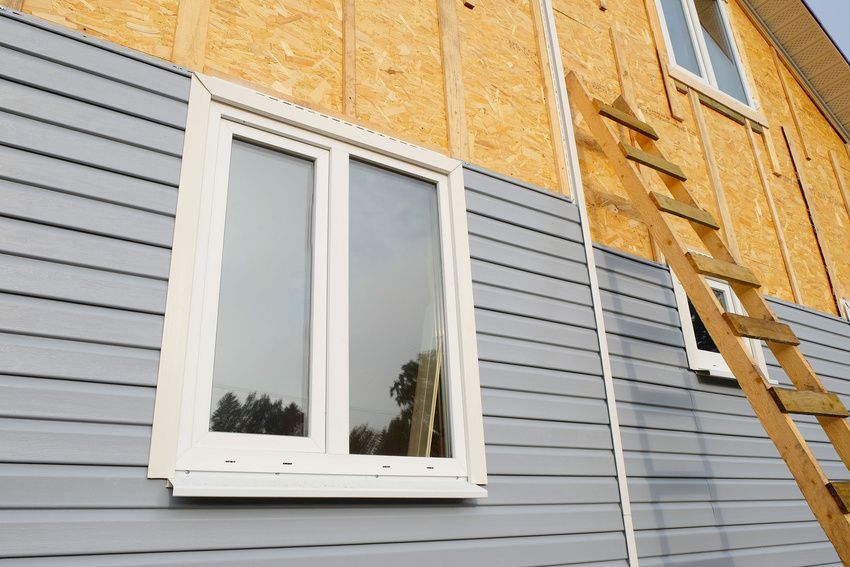
Siding plays a fundamental role in maintaining the integrity and aesthetic appeal of a home. While it often goes unnoticed until damage becomes severe, siding’s significance cannot be overstated. Damaged siding is not only an eyesore but a potential entryway for a series of hidden problems. Homeowners may overlook these early signs, dismissing them as minor or superficial. However, ignoring damaged siding can lead to significant structural, financial, and health-related issues that necessitate urgent attention, and homeowners should invest in consistent siding services to avoid any pitfalls that may arise.
1. Moisture Intrusion
Siding serves as a primary barrier against moisture, protecting the underlying structure of a home. When compromised, siding allows water to seep into walls and foundations, leading to extensive damage. This moisture can weaken wooden beams, causing rot and decay. Over time, this can compromise the structural integrity of the building, rendering it unsafe. Early signs of moisture damage include discoloration, bubbling paint, and a persistent musty odor.
Moisture can lead to mold growth, exacerbating structural problems and health risks. Wooden structures are particularly vulnerable, as they swell and warp under prolonged damp conditions. Wood rot is insidious, weakening load-bearing elements that are critical for safety. Furthermore, water damage can lead to increased repair costs as hidden damages escalate. Regular inspections and prompt repairs of damaged siding can prevent these costly outcomes.
The long-term consequences of moisture intrusion extend beyond immediate structural concerns. Persistent water exposure can cause foundational shifts, leading to cracks and unstable walls. This can significantly diminish a home’s value and safety, necessitating costly repairs or even complete overhauls. Detecting moisture damage early is paramount; signs such as soft spots in walls and floors or difficulty opening windows and doors should not be ignored. Proactive maintenance and timely intervention through siding services can preserve both the structural and financial viability of a home.
2. Increased Energy Bills
Beyond protection, siding also plays a critical role in insulating a home. Damaged siding can lead to significant loss of insulation, causing energy bills to skyrocket. Gaps and cracks in siding allow heat to escape in winter or enter in summer, overworking heating and cooling systems. This not only raises utility costs but also shortens the lifespan of HVAC systems. Properly maintained siding keeps energy usage efficient, providing necessary savings.
Detecting signs of poor insulation is essential, as energy loss can be subtle yet impactful over time. Homeowners may notice drafts, uneven heating or cooling, and increased reliance on HVAC systems. Resolving insulation issues involves repairing or replacing damaged areas of siding. While the upfront cost may seem steep, the energy savings and increased comfort provide substantial long-term benefits. According to Today's Homeowner, replacing your vinyl siding provides a 100.9% return on investment, making it a financially savvy decision.
Conducting a cost-benefit analysis of insulation improvements can aid in decision-making. Factoring in current energy expenditures versus potential savings provides a clear picture of the advantages of siding services. Additional benefits include enhanced home comfort and reduced environmental impact. Strategically investing in siding maintenance or upgrades ensures ongoing energy efficiency and monetary savings. This proactive approach safeguards both your wallet and the environment.
3. Pest Infestations
Damaged siding can also create entry points for pests, posing health and safety concerns. Common pests such as termites, ants, and rodents are attracted to the warmth and shelter found within a home's siding. These uninvited guests can quickly become a problem, infesting spaces and damaging woodwork. Pest invasions facilitated by siding gaps can lead to structural damage, as well as potential health risks from exposure to allergens and pathogens. Gaps and cracks act like open doors, beckoning creatures to invade homes.
Health risks associated with pest infestations include asthma, allergies, and diseases spread by rodents and insects. Additionally, pests like termites can cause significant structural damage, eroding wooden supports and compromising safety. Detecting and sealing entry points through siding services can prevent infestations. Regular examination and sealing of tiny gaps and openings ensure pests cannot infiltrate the home. Proactive preventative measures thus save significant repair costs and protect homeowner health.
Implementing repair strategies to keep pests out is essential for maintaining a safe and healthy home environment. Utilizing durable materials and professional craftsmanship ensures long-lasting results. Regular maintenance and inspections can catch early signs of pest entry before they escalate. By doubling down on protective measures, homeowners can enjoy a pest-free living space.
4. Mold and Mildew Growth
Mold and mildew thrive in damp conditions, making damaged siding a common contributor to these harmful growths. When moisture becomes trapped behind siding, it creates a fertile environment for mold spores to flourish. This can lead to unsightly stains, odor issues, and potential health concerns. Understanding and addressing the causes of increased humidity due to faulty siding is imperative to mold prevention. Healthy home environments prioritize dry, well-ventilated spaces to inhibit mold development.
The relationship between damaged siding and heightened humidity must not be underestimated. When siding fails, water can seep into walls and insulate materials, exacerbating moisture retention. This fosters an ideal atmosphere for mold, which can rapidly proliferate across wet surfaces. Mold exposure carries numerous health risks, including respiratory problems, allergic reactions, and immune challenges. Maintaining siding integrity is key in preserving a safe and healthy living space.
Preventing mold growth involves integrating several preventative and treatment strategies. Identifying and remedying problem areas, caulking gaps, and promoting proper ventilation minimize mold development. DIY mold treatments can address minor outbreaks; however, professional intervention is often necessary for significant remediation. Investing in siding services and moisture management yields lasting protection against mold. Ensuring your home's siding is intact remains among the simplest ways to prevent mold and subsequent health issues.
5. Structural Damage
Siding performs safety functions that extend beyond mere aesthetics, contributing to the overall strength and security of a home. When siding is compromised, the structural integrity of the entire building comes into question. Gaps, leaks, and worn sections can lead to a variety of safety risks, from weakened walls to vulnerable foundations. Homeowners must take immediate steps to repair damage to uphold building safety. Ignoring these issues can lead to escalating dangers and costly insurance claims.
The occurrence of damage precipitates structural vulnerability, painting a worrying picture for long-term safety. Compromised siding can result in supporting beams, walls, and frameworks becoming unstable. This creates potential hazards, both in day-to-day living and in extreme weather conditions. To ensure family safety and building durability, any signs of deterioration must be quickly addressed. Regular structural assessments are invaluable in detecting early warning signs and preempting catastrophes.
Siding services to restore safety and stability involve attentive planning and careful execution. Enabling a full assessment offers transparency and helps prioritize necessary repairs. Homeowners are advised to consult with specialists who understand structural interdependencies and safety codes. Replacing or repairing damaged siding renews the strength of a home's exterior, eliminating concerns while increasing resilience. The peace of mind accompanying these measures is invaluable, ensuring a safe and secure environment for years to come.
Damaged siding presents a range of hidden problems, from structural vulnerabilities to financial burdens, affecting various aspects of home life. Understanding these risks highlights the importance of proactive maintenance and immediate repairs. Addressing siding issues protects against moisture damage, insulation loss, pest invasions, mold growth, and structural deterioration while helping preserve your home's value and safety. By investing in professional
siding services from Buckeye Home Services, homeowners can prevent costly repairs, improve energy efficiency, and maintain a durable, attractive exterior. Ensuring your siding remains in optimal condition is one of the best ways to protect your investment and enjoy long-term peace of mind.