May 4, 2026
A 3-season sunroom offers the perfect balance between indoor comfort and outdoor beauty, creating a space you can enjoy through much of the year. From energy-efficient design features to sustainable material choices and flexible layouts, today’s sunrooms are built with both performance and style in mind. Whether you’re looking to enhance natural light, expand your living space, or create a relaxing retreat, understanding the key elements of sunroom design can help you make the most of your investment. The following sections explore the features that make 3-season sunrooms both functional and inviting.
1. Thermal Efficiency and Insulation
Thermal efficiency is a crucial factor in the design of 3-season sunrooms, ensuring comfort across varying weather conditions. Advanced window technologies, such as double or triple-glazed windows, play a significant role in maintaining indoor temperatures by providing superior insulation. These windows help trap heat during cooler months while reflecting sunlight during warmer ones, thus balancing indoor climates efficiently. Additionally, the use of low-emissivity (Low-E) coatings on windows further enhances this energy efficiency, reducing the transmission of ultraviolet and infrared light without compromising natural light entry. This combination of technologies ensures that 3-season sunrooms remain comfortable spaces, regardless of external temperature fluctuations.
Innovative sealing techniques, such as weather stripping and advanced sealing solutions, are integral to preventing drafts and minimizing heat loss within sunrooms. By sealing gaps and insulating around doors and windows, homeowners can significantly reduce air infiltration that leads to heat loss. Proper sealing not only contributes to maintaining a stable internal temperature but also plays a role in diminishing noise infiltration, thus creating a quieter and more peaceful environment. The effectiveness of these sealing solutions ensures that 3-season sunrooms remain energy-efficient, reducing dependence on heating and cooling systems. As a result, homeowners can enjoy cost savings on energy bills while also contributing positively to environmental sustainability.
Another noteworthy aspect of sunroom design is the implementation of insulated roofing systems, which significantly aid in temperature regulation. Insulated roofing not only provides the necessary protection from the elements but also enhances the overall energy efficiency of the sunroom. Moreover, energy-efficient heating solutions, such as underfloor heating and efficient ceiling fans, can be integrated to further enhance comfort levels. These heating options are particularly useful for extending the usability of the sunroom during the cooler months, transforming it into a cozy retreat. Importantly, the use of these technologies contributes to overall energy savings, offering a reduced environmental footprint while ensuring the comfort and satisfaction of the occupants.
2. Material Options and Sustainability
Material selection plays a pivotal role in the sustainability and overall aesthetics of 3-season sunrooms. Eco-friendly building materials, such as recycled aluminum and ethically sourced wood, are increasingly being preferred by discerning homeowners. Using sustainable resources not only ensures a reduced environmental impact but also enhances the overall resilience and functionality of the sunrooms. The incorporation of these materials is not just an environmental concern but also a testament to a homeowner's commitment to responsible and sustainable building practices. Furthermore, selecting eco-friendly materials often comes with financial incentives, encouraging more homeowners to make environmentally responsible choices.
Durability and longevity are key considerations in the choice of materials for sunrooms, as these structures are exposed to varying weather conditions year-round. Opting for durable materials such as vinyl, composite, and tempered glass can withstand temperature changes while offering extended lifespans and maintaining aesthetic integrity. These materials offer a combination of strength and aesthetic appeal, ensuring that the sunroom remains a centerpiece of the home for many years to come. Additionally, the minimal maintenance requirements associated with high-quality materials make them even more attractive to homeowners. By choosing long-lasting materials, homeowners can enjoy their sunrooms without concern for frequent repairs or replacements.
The ability to personalize and customize the aesthetic of the sunroom is another appealing aspect that draws homeowners towards versatile material options. With a wide variety of finishes and colors available, homeowners have the freedom to design a sunroom that aligns with their personal style and complements the existing architecture of their home. This customization goes hand-in-hand with creating a functional and beautiful space that meets the unique needs and preferences of the occupants. Furthermore, sustainable material choices often reduce the environmental footprint of the sunroom construction process, providing an added dimension to the decision-making process. Overall, marrying durability with aesthetic flexibility is a primary driver in the selection of materials for 3-season sunrooms. According to HomeGuide, most three-season rooms are valued at as little as 25% of the living space price per square foot.
3. Versatile Design and Layout Possibilities
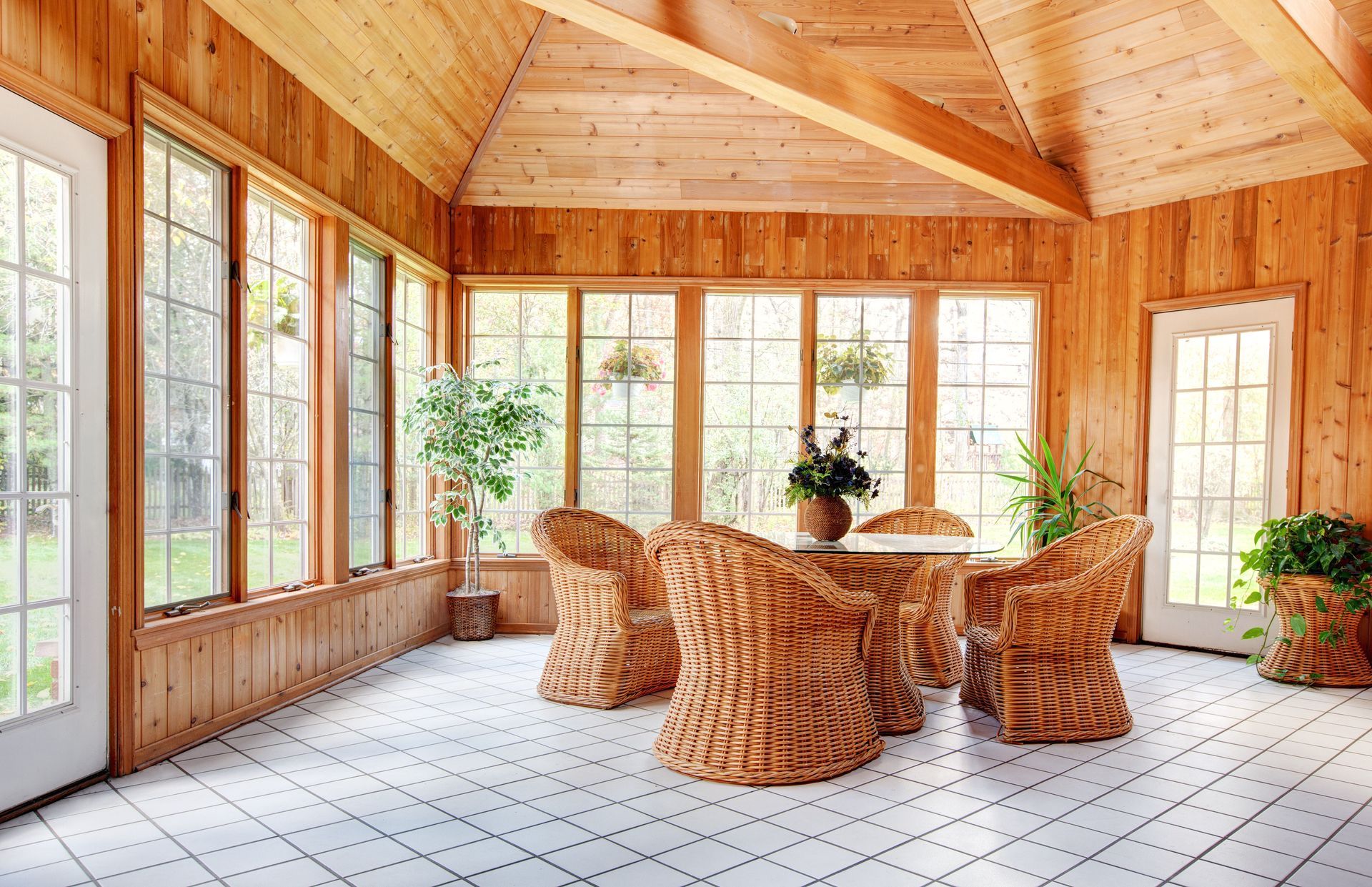
One of the most attractive features of 3-season sunrooms is the versatility in design and layout possibilities that they offer. Open-plan living spaces are increasingly popular as they enhance the flow of light and maximize the perception of space within the sunroom. This design technique not only creates an expansive, light-filled area that welcomes natural light but also fosters a sense of connectedness with the outdoor environment. By minimizing structural barriers and utilizing transparent materials like glass doors and walls, homeowners can achieve a harmonious balance between indoor and outdoor living. Such open designs encourage the incorporation of scenic views, further elevating the overall appeal and enjoyment of the sunroom.
3-season sunrooms are acclaimed for their multi-purpose functionality, as they can be tailored to suit a variety of uses. Whether serving as an office space, a playroom for children, or a dining area, these sunrooms offer adaptability that caters to varying lifestyle demands. The sunroom's inherent flexibility is paramount in enhancing everyday living, and it can easily be transitioned to suit different purposes with minimal adjustments. Incorporating modular and movable furniture allows homeowners to optimize space usage based on current needs, facilitating dynamic and efficient use of the sunroom. The multifunctional nature of the sunroom makes it an invaluable addition for families seeking to maximize functionality within a limited footprint.
4. Lighting and Natural Ambiance
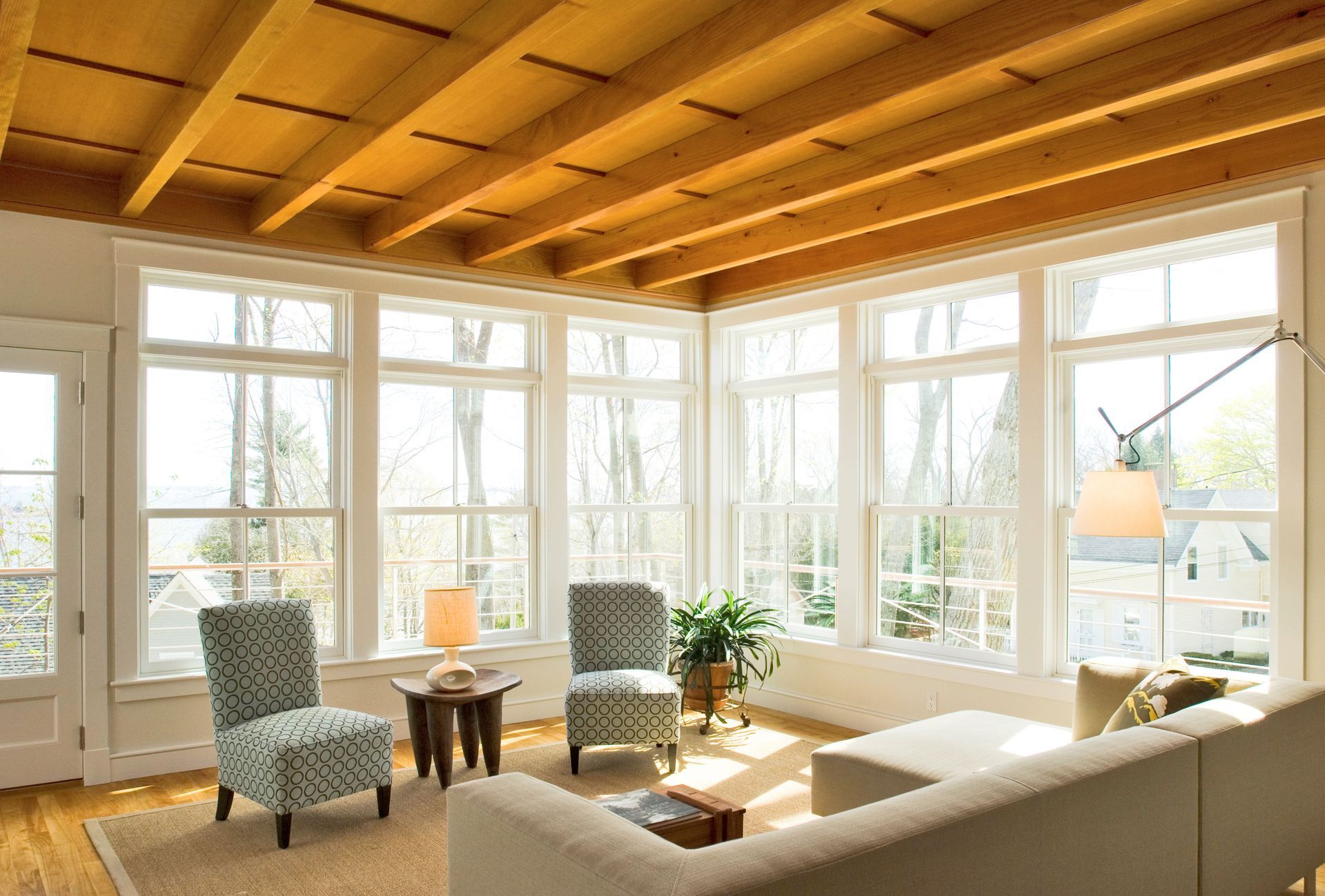
The maximization of natural light is a key design principle in 3-season sunrooms, capitalizing on the sun's rays to brighten the space naturally. Large, strategically placed windows allow for an abundance of sunlight, creating a warm and inviting environment throughout the day. This approach not only reduces the need for artificial lighting but also enhances the overall mood and perception of spaciousness within the sunroom. The orientation and placement of the sunroom can greatly influence the amount of daylight it receives, making site selection a crucial consideration. By optimizing for natural light, homeowners can enjoy energy savings and create healthier, more vibrant living areas.
Skylight and window placement are critical aspects of sunroom design that contribute to optimal lighting and scenic views. Strategically positioned skylights flood the room with overhead natural light, further accentuating the sunroom's brightness without sacrificing privacy. Similarly, thoughtful placement of windows ensures unobstructed views of the outdoors, helping to bring the beauty of nature inside while maintaining the integrity of the sunroom's architectural vision. The aesthetic appeal of incorporating glass elements such as windows and skylights is complemented by their functional benefits, which include enhanced ventilation and the reduction of overheating through strategic shading. Together, these elements create a tranquil ambiance that harmonizes with the sunroom's purpose.
If you’re considering adding or upgrading a sunroom, now is the time to consult with a professional from Buckeye Home Services who can bring your vision to life. Reach out today to explore your options and start designing a sunroom that perfectly fits your home and lifestyle.